Overview
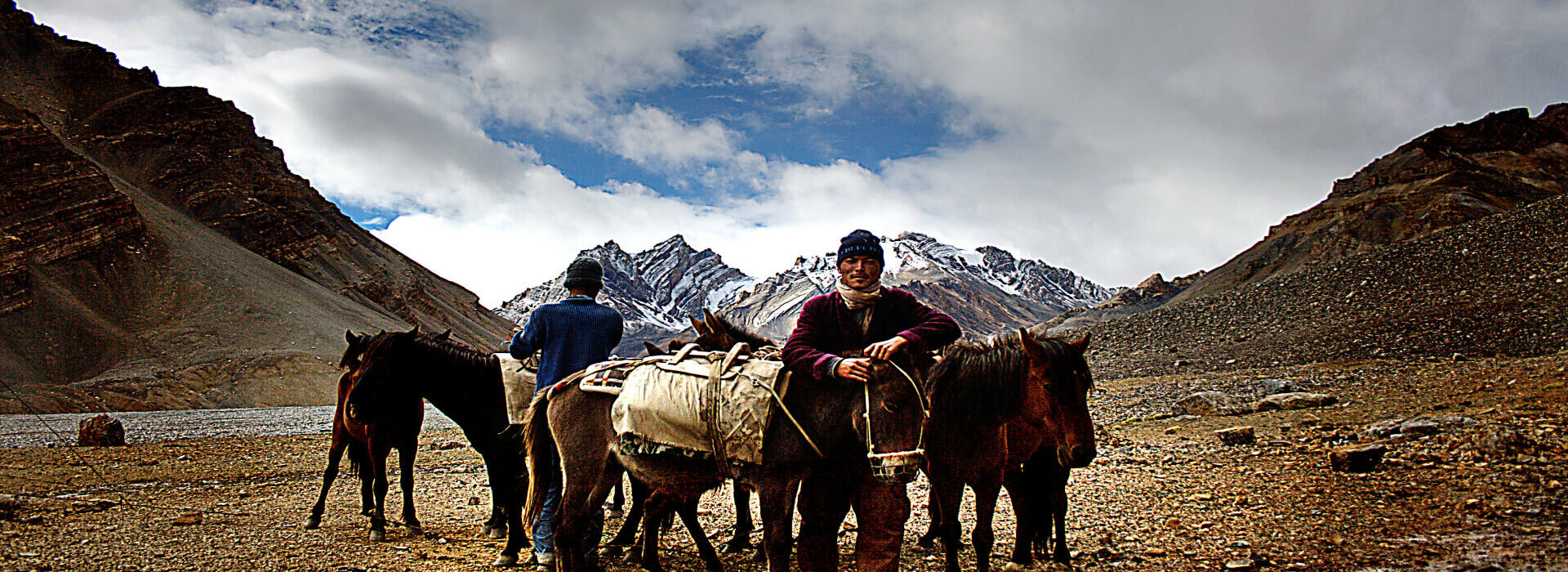
We are the only company in the world who send an International guide and doctor on our Kang Yatse II (6,250) expeditions while keeping group sizes sustainably small. Sending an international guide and doctor on all our Kang Yatse II treks allows us to deliver an unrivalled level of safety and service for each and every one of our clients. Having smaller group sizes allows us to minimise our environmental impact and foster a stronger team dynamic.
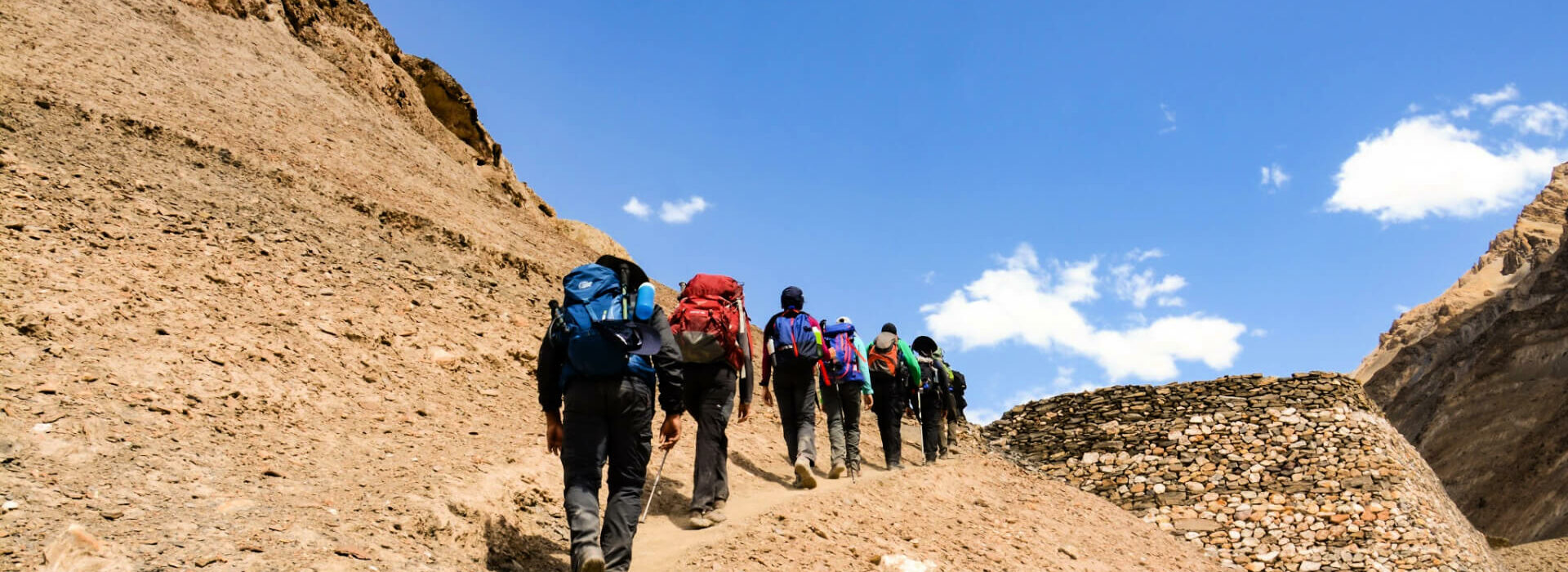
This 16-day expedition is suitable for experienced trekkers who have a good level of fitness. Towering at an impressive 6,250 meters, Kang Yatse II is a serious challenge and the highest trekking peak in the Indian Himalayas.
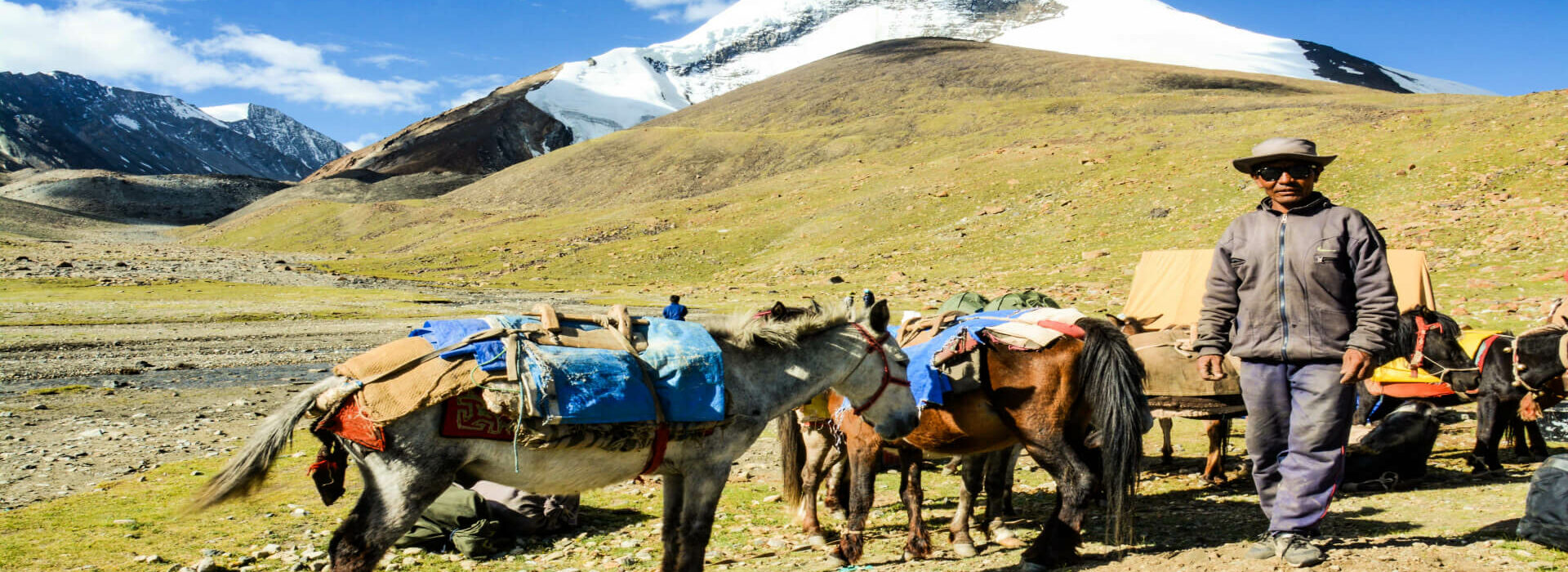
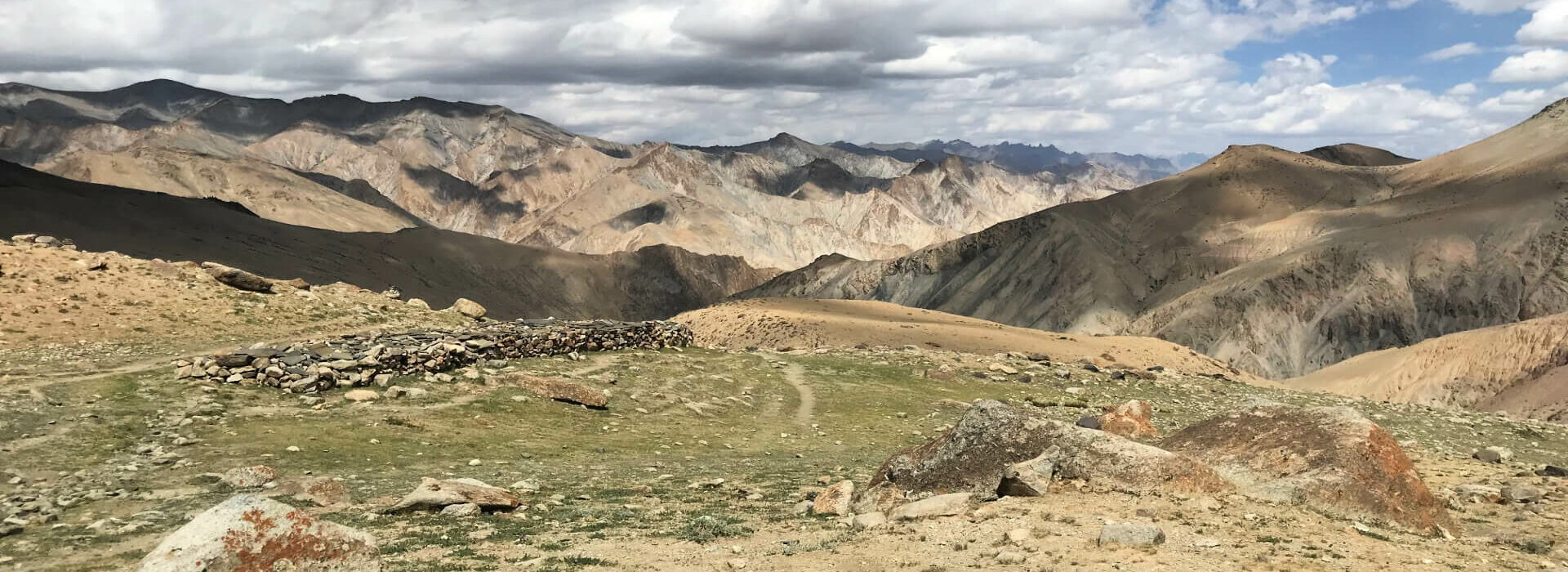
Our route to the mountain is along the stunning Markha valley where we pass through traditional villages and enjoy stunning mountain views. Going up the valley is gradual which is perfect for acclimatisation and improves our chances of a successful summit attempt.
The 12-hour summit day is the crux of the itinerary. Most of the day is spent on snow with some short steep sections which require the use of ropes. The view from the top is one of the best in the Himalaya, offering great views of the Zanskar and Karakoram ranges including K2 (8,611m), the second highest peak in the world.
This is one of the best trekking peaks in the Indian Himalayas and its proximity to Leh makes it very accessible. Ladakh, often referred to as ‘little Tibet’, is characterised by Buddhist culture and tradition. Visits to monasteries, palaces, markets and remote villages are all included in this expedition. As well as enjoying 13 fantastic days in Ladakh you will see Delhi’s best sights and enjoy plenty of retail therapy.
Itinerary
Day 5
Leh to Chilling to Skiu (3,400m): 6 hrs trekking.
↓
Drive to Chilling village and then trek to Skiu.
Day 6
Skiu to Markha (3 800m): 8 hrs trekking.
↓
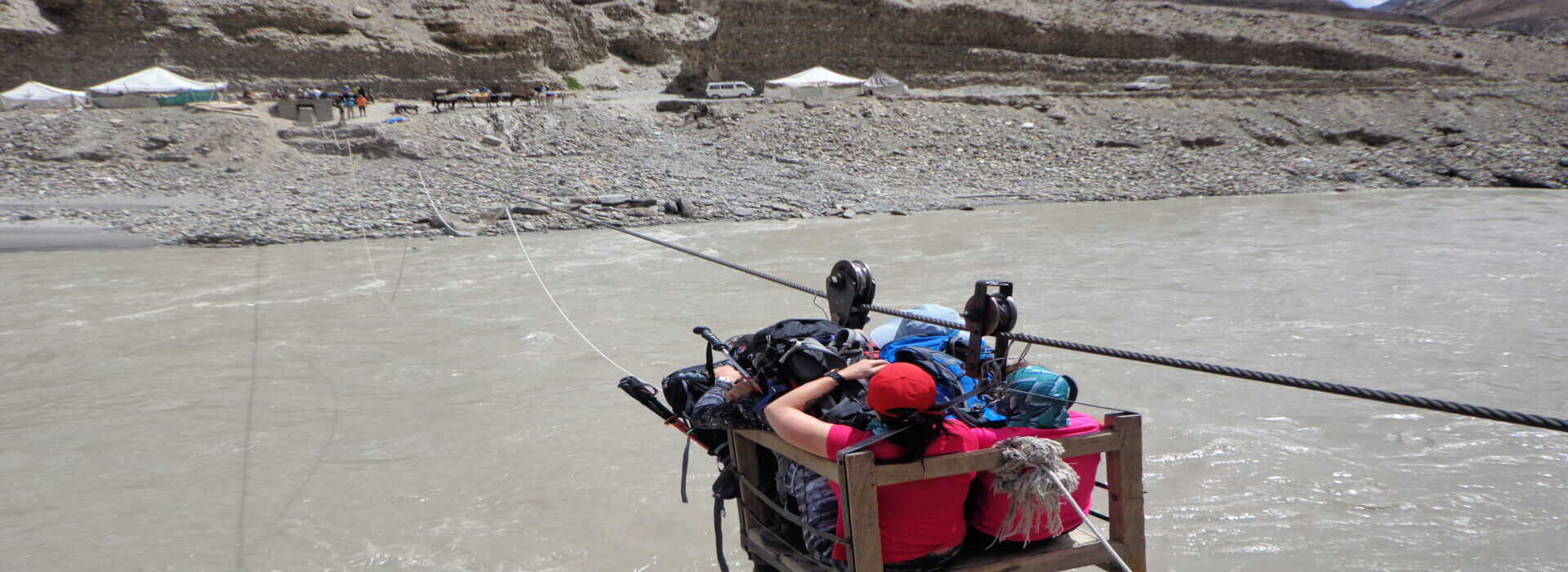
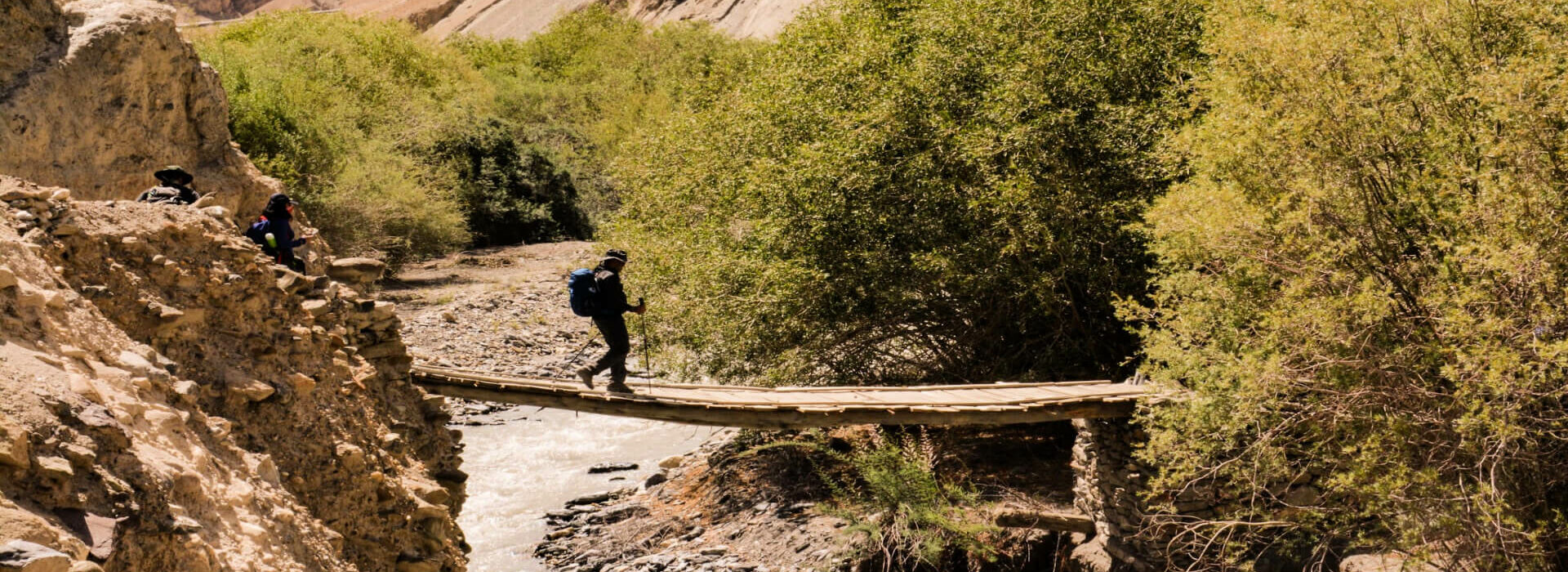
Cross the Markha river several times before we reach Markha village.
Day 7
Markha to Thachungtse (4,150m): 6 hrs trekking.
↓
Trek through Umlung and Hankar villages to reach our campsite at Thachungtse. We get our first view of Kang Yatse today!
Day 8
Thachungtse to Nimaling (4,700m): 4 hrs.
↓
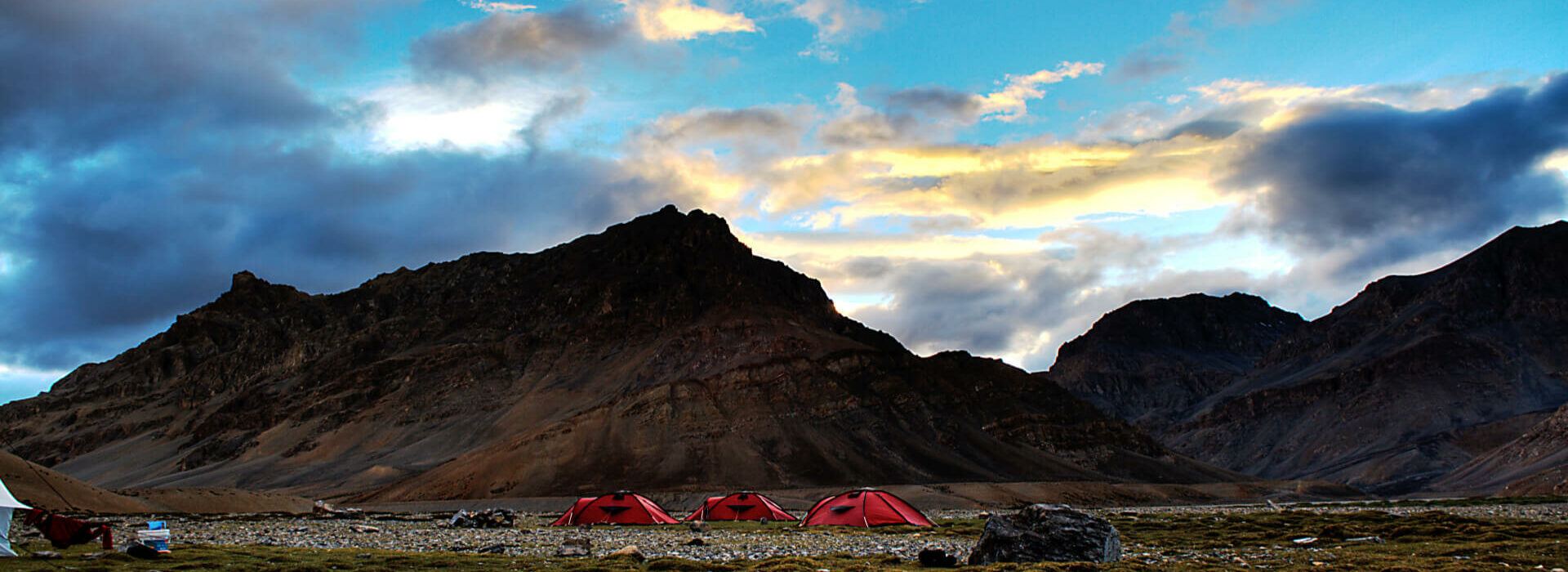
Climb away from the Markha valley to reach a beautiful plateau called Nimaling.
Day 10
Rest day at Base Camp.
↓
We practice skills on a nearby snow slope and go for an acclimatisation hike in the afternoon.
Day 11
Base Camp to Advanced Base Camp (5,300m): 3hrs.
↓
Trek a short distance to reach the snowline and set up ABC. Early night in preparation for tomorrow’s summit night.
Day 12
Advanced Base Camp to Kang Yatse II (6,250m) to Base Camp: 12 hrs.
↓
Early in the morning, we ascend on scree and moraine to reach the snowline. From there the terrain is mostly gradual except for a few short steep sections which may require the use of rope. From the summit we descend back through ABC to reach Base Camp for lunch.
Day 13
Base Camp to Chuskirmo (3,300m): 8 hrs.
↓
Retrace our steps back down to Nimaling and then ascend to the Kangmaru La Pass (5,260m) before descending to our campsite outside Chuskirmo.
Day 14
Chiskirmo to Shang Sumdo (3,500m) to Leh: 4 hrs.
↓
Trek from Chiskirmo to Shang Sumdo and then drive for two hours to reach Leh. In the evening we enjoy a celebratory meal.
Day 15
Leh to Delhi.
↓
Take the amazing flight back down to Delhi over the Great Himalayan Range. Enjoy a full day in Delhi for shopping, sightseeing or relaxing.
Facts
Kang Yatse II is in Ladakh in Northern India and is one of the most stunning places in the world. It's somewhere that isn't that well known, so here's a few facts about Ladakh and Kang Yatse II to get you started!
Kang Yatse II Facts
Kang Yatse II is located at the end of the Markha valley in the Himalayas in the Ladakh region of northwest India.
The Kang Yatse II peak is the most dominant peak in Markha valley.
It's also one of the highest trekable peaks in India. Despite its altitude, Kang Yatse II is a popular peak and is often climbed as an initial non-technical foray into high altitude mountaineering.
On a clear day you'll get great views of the Karakoram Range, sometimes even K2 (the second tallest mountain in the world) in the far distance.
Ladakh Facts
Ladakh is the highest plateau of the Indian state of Kashmir with much of it being over 3,000m. The total area of 45,110sq km makes Ladakh the largest district in India. The largest town in Ladakh is Leh.
Ladakh is renowned for its remote mountain beauty and culture. It spans the Great Himalayan and Karakoram mountain ranges and the upper Indus River Valley.
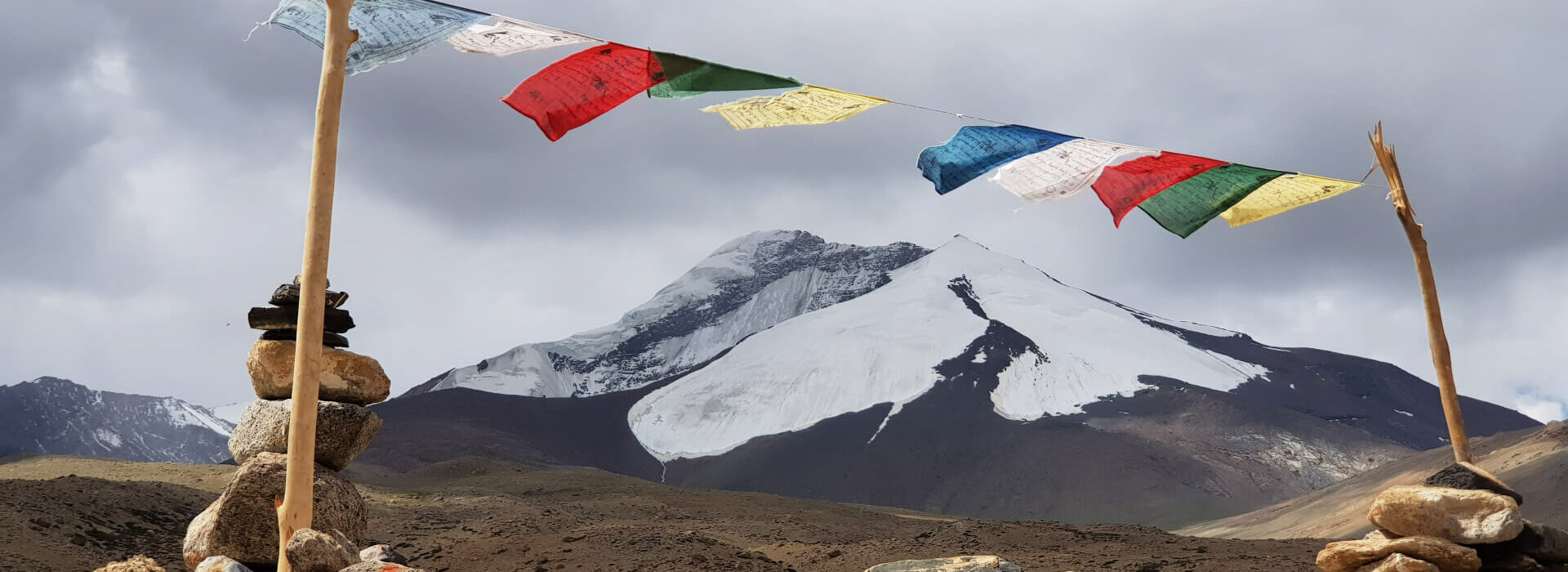
It's sometimes called 'Little Tibet' due to strong cultural and geographical similarities with Tibet. The approach to Ladakh is invariably marked with many long walls running 2-3 km, decorated with engraved stones bearing the mantra 'Om Mani Padme Hun' and chortens which symbolises Buddha’s mind.
Buddhism is the religion of the majority of Leh District’s population. The most attractive features of the landscape of Leh are the Buddhists Gompas (Monasteries). Gompas are situated on the highest points of the mountain spurs or sprawl over cliff sides. They are usually in the vicinity of villages and provide a focus for the faith of Buddhists.
Ladakh is a high altitude desert, as the Himalayas create a rain shadow which prohibits the entry of monsoon clouds. The main source of water here is the winter snowfall on the mountains that form the glaciers. In many parts of the country, people pray for rain, here Ladakhis pray for the glaciers or snows to melt for irrigation and drinking purposes. Surprisingly though, the thin air makes the heat of the sun even more intense than at lower altitudes.
We run a Tri-Adventure Trip in Ladakh. On this expedition, we trek, cycle, and raft through this stunning region.